Storytelling workshops that cultivate confidence in Grade School students
Wiki Article
Everything About Grade Institution: Crucial Realities and Enriching Experiences for Youthful Learners
Elementary school plays a crucial role in shaping young learners' futures. It encompasses important academic topics and nurtures social abilities through structured communications. In addition, extracurricular tasks offer opportunities for creative thinking and teamwork. Parental participation additionally boosts this foundation, supporting kids in their scholastic journeys. As these aspects link, they create a thorough instructional experience. What certain techniques can instructors and moms and dads utilize to maximize this growth?Recognizing the Elementary School Curriculum
As students begin their elementary school journey, they experience a curriculum created to build fundamental abilities and knowledge throughout numerous topics. This educational program commonly incorporates core areas such as mathematics, language arts, scientific research, and social researches. Each topic is structured to grow crucial thinking, creative thinking, and analytic abilities, essential for future academic success.Language arts concentrate on reading, composing, and communication skills, cultivating trainees' ability to express themselves clearly. Mathematics presents basic concepts, consisting of addition, subtraction, and later, multiplication and department, laying the foundation for much more intricate analytic. Science motivates questions and exploration, stiring up interest regarding the environment, while social research studies instills an understanding of neighborhood and multiculturalism.
In enhancement to core topics, the educational program often includes arts and physical education and learning, giving a versatile academic experience that advertises both intellectual and physical development. Subsequently, elementary school functions as an essential platform for long-lasting understanding.

The Structure of Grade School Education And Learning
While quality institution education and learning differs by area and institution, it usually follows a structured framework that promotes modern knowing. Commonly, quality school includes a variety of qualities, usually from preschool via fifth or 6th grade, depending upon the academic system. Each grade degree corresponds to particular developing landmarks, with educational program designed to develop upon previous knowledge.Courses are generally organized into core topics, consisting of mathematics, language arts, science, and social studies, ensuring that students receive a well-rounded education. Guideline typically combines straight mentor with hands-on tasks, cultivating involvement and crucial reasoning.
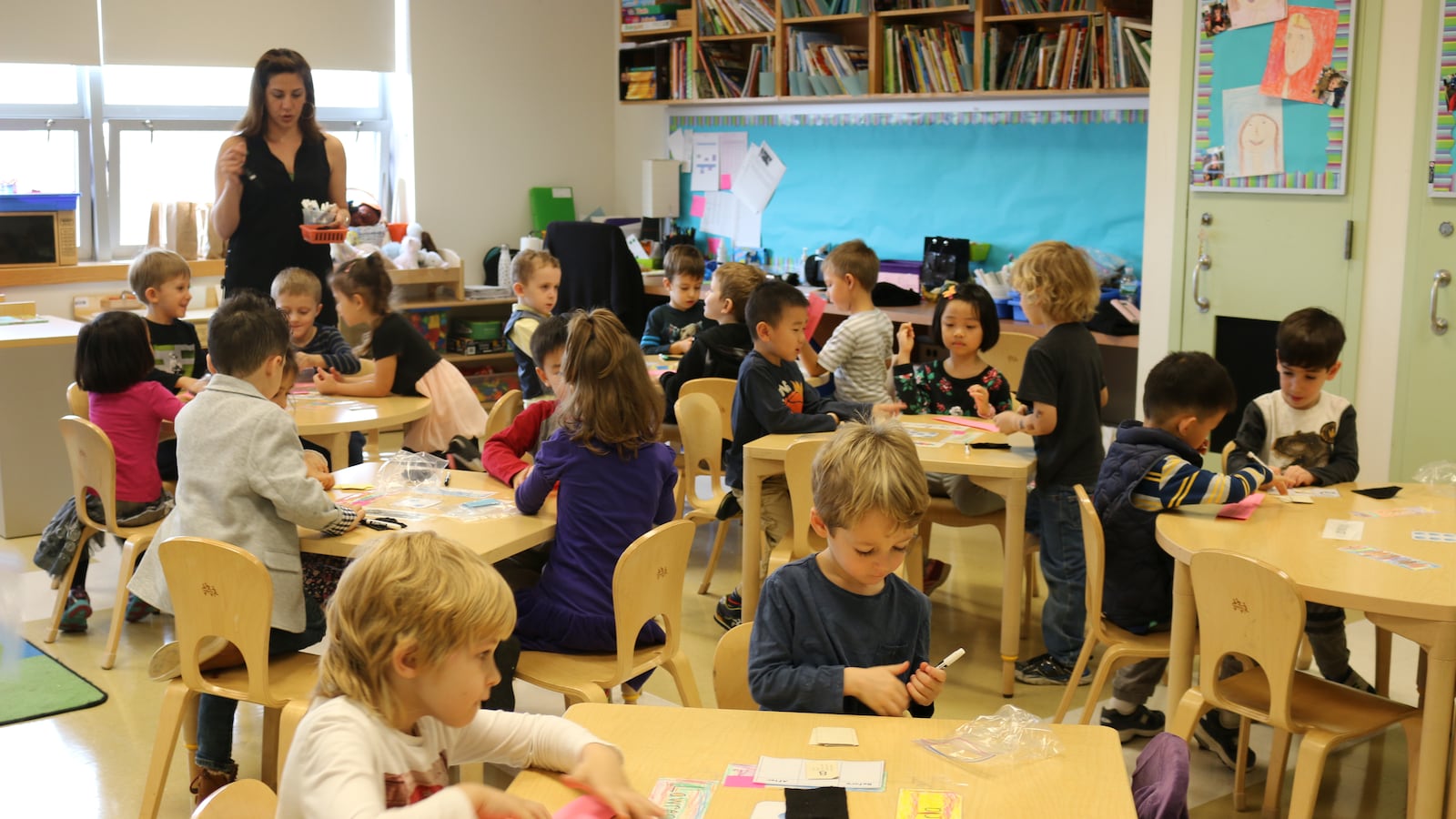
Analysis techniques vary yet usually include quizzes, tasks, and tests to examine trainee understanding. Additionally, instructors frequently work together to produce interdisciplinary devices, boosting the finding out experience. Overall, the framework of quality institution education and learning aims to cultivate fundamental skills, prepare pupils for future academic obstacles, and promote a love for learning that expands past the classroom.
Social Skills Advancement in Early Learners
Quality school education and learning not just concentrates on scholastic abilities yet likewise plays a substantial duty in the advancement of social abilities among very early students. Throughout these formative years, youngsters engage in various activities that encourage interaction, collaboration, and communication with peers. Group tasks and cooperative understanding setups supply possibilities for kids to practice sharing, bargaining, and settling conflicts.Moreover, organized play promotes important skills like compassion and understanding, as kids learn to respond and recognize to the sensations of others. Via directed social interactions, educators aid pupils create critical listening and conversational skills. As youngsters navigate relationships and team dynamics, they obtain confidence in their social capacities.
The Duty of Extracurricular Tasks
After-school activities play a significant duty in improving the academic experience of elementary school pupils by supplying methods for individual development past the class. These activities permit students to explore skills and passions, promoting imagination and self-expression. Involvement in sports, songs, art, and clubs cultivates synergy, management abilities, and a sense of belonging.Engaging in such activities promotes physical wellness and health, encouraging students to maintain an active way of living. Extracurricular programs also function as a platform for students to develop relationships and develop social abilities, which are crucial for their overall development
As students browse their interests outside of academics, they get important experiences that contribute to their confidence and resilience. Ultimately, these activities play an important role fit all-round people, preparing them for future challenges both in and out of the classroom.
Sustaining Discovering With Adult Participation
Parental involvement substantially enhances the educational journey of elementary school pupils, as it promotes an encouraging environment that reinforces understanding. Engaged parents add to their youngsters's scholastic success by going to college occasions, assisting with homework, and preserving open interaction with instructors. Kindergarten. This involvement not just increases pupils' inspiration however likewise grows a sense of belonging and self-esteemStudy suggests that kids whose parents are proactively entailed have a tendency to have higher grades, much better presence, and enhanced actions in school. In addition, adult interaction encourages the advancement of vital life abilities, such as time management and responsibility.
Colleges can promote this participation by hosting workshops, giving sources, and encouraging routine comments. By creating partnerships in between parents and instructors, quality institutions can assure an extensive technique to trainee development. Inevitably, parental participation offers as a keystone for fostering a positive instructional experience, benefiting both trainees and the school area in its entirety.
Often Asked Concerns
What Are the Common Elementary School Hours for Students?
Regular elementary school hours for trainees generally vary from 8:00 AM to 3:00 PM, varying by area. Several institutions integrate a lunch break and recess, making sure students have time to reenergize throughout the day.Just How Do Quality Schools Address Diverse Understanding Demands?
Grade institutions address varied finding out needs with differentiated direction, tailored lesson strategies, and assistance solutions, ensuring all pupils get appropriate sources. Teachers work together with professionals to produce inclusive atmospheres that cultivate private development and interaction.What Is the Role of Modern Technology in Elementary School Education?
Technology in elementary school education enhances discovering through interactive devices, customized learning experiences, and accessibility to substantial sources. It fosters partnership amongst educators and pupils, preparing kids for a technology-driven future while supporting diverse academic needs.How Can Moms And Dads Assist With Homework Efficiently?
Moms and dads can assist with research efficiently by creating an organized atmosphere, encouraging freedom, giving resources, and providing assistance without directly giving answers. Communication with instructors likewise improves understanding of assumptions and advertises academic success.What Are Usual Difficulties Faced by Elementary School Trainees?
Usual obstacles dealt with by elementary school trainees include trouble with time monitoring, comprehending complicated concepts, maintaining focus during lessons, maneuvering social characteristics, and balancing academic obligations with extracurricular tasks, all of which can impact their general performance.As pupils commence their quality institution journey, they run into an educational program developed to build fundamental abilities and understanding throughout various subjects. Commonly, grade institution includes a Private Grade School Peoria variety of grades, frequently from preschool with 5th or sixth quality, depending on the educational system. Extracurricular activities play a substantial duty in improving the academic experience of quality school students by supplying avenues for individual growth beyond the classroom. Parental involvement significantly enhances the educational journey of grade college trainees, as it promotes an encouraging environment that strengthens understanding. By creating partnerships in between teachers and parents, grade colleges can guarantee a comprehensive technique to trainee development.
Report this wiki page